

Call us now
07971459752
Human Eye
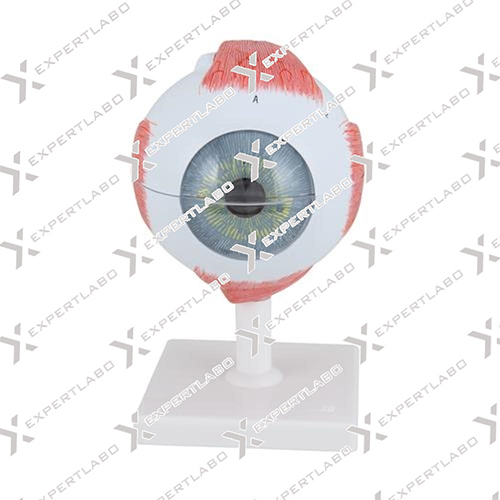

Human Eye Specification
- Temperature Resistance
- Up to normal laboratory usage conditions
- Control Type
- Manual (by hand) disassembly and assembly
- Features
- Detachable parts, Color-coded structures, Enlarged for easy study
- Display Type
- Three-dimensional physical model
- Accuracy
- Detailed anatomical features for demonstration
- Shape
- Spherical (reflects natural human eye)
- Type
- Human Eye Model
- Dimension (L*W*H)
- 15 x 10 x 10 cm (approx.)
- Equipment Type
- Anatomical Model
- Equipment Materials
- PVC, Hand-painted
- Material
- High-quality durable plastic
- Application
- Educational, Laboratory, Demonstration
- Usage Level
- Suitable for school, college, medical training
- Coloring
- Realistic, hand-painted anatomical details
- Mounting
- Mounted on sturdy base stand
- Number of Parts
- 6 detachable pieces
- Magnification
- 3x natural size
- Intended Audience
- Students, educators, medical practitioners
- Net Weight
- Approx. 450g
- Cleaning Instructions
- Wipe with damp cloth, do not submerge in water
- Disassembly
- Can be split to show internal structures, lens, retina, etc.
Human Eye About
The different parts of the eyeball model are detachable to show the following structures.
Tunica External: Showing comea and sclera with attachment of ocular muscles and optic nerve.
Detailed Anatomical Accuracy
This eye model is hand-painted for anatomical accuracy, providing clear, color-coded distinctions between structures such as the lens, retina, and more. The enlarged size makes every detail visibly distinct for comprehensive learning and demonstration, suitable for educational and medical environments.
User-Friendly Design and Disassembly
The model includes six detachable pieces that can be easily assembled and disassembled by hand. Mounted on a stable base, it is both portable and robust, allowing educators and students to showcase and examine the complex structures of the human eye during lessons and demonstrations.
Durable and Easy to Maintain
Manufactured from high-quality, durable plastic (PVC), this anatomical eye model withstands routine laboratory usage. Maintenance is straightforward-simply wipe clean with a damp cloth and avoid submerging in water to preserve hand-painted details.
FAQ's of Human Eye:
Q: How can I disassemble and reassemble the Human Eye Model for demonstration?
A: The model consists of six detachable parts, which can be manually taken apart and put back together without tools. Gently remove each section to reveal internal structures such as the lens and retina, aiding hands-on education.Q: What makes this Human Eye Model suitable for school and medical training?
A: This model combines realistic, hand-painted anatomical details with color-coded structures and a 3x magnification. It is mounted on a sturdy stand, making it perfect for interactive learning in classrooms, laboratories, and medical demonstrations.Q: When should the Human Eye Model be used in educational settings?
A: It is ideal for use during anatomy lessons, biological sciences classes, medical training modules, and demonstrations where visual and tactile interaction with the human eye's structure enhances understanding.Q: Where can the Human Eye Model be used most effectively?
A: Its compact design and stable base allow it to be used in classrooms, college labs, medical training centers, and educational exhibitions. The model's portability and durable build ensure it fits seamlessly in various learning environments.Q: What is the recommended cleaning process for this anatomical eye model?
A: To clean, gently wipe the surface with a damp cloth. Do not submerge the model in water as this could damage the hand-painted details and durable plastic construction.Q: What benefits does the enlarged design of this model offer?
A: Enlarged to three times the natural size, the model makes intricate anatomical features clearly visible, supporting easier understanding and in-depth demonstration for students and trainees.Tell us about your requirement

Price:
Quantity
Select Unit
- 50
- 100
- 200
- 250
- 500
- 1000+
Additional detail
Mobile number
Email

More Products in Biology Models Category
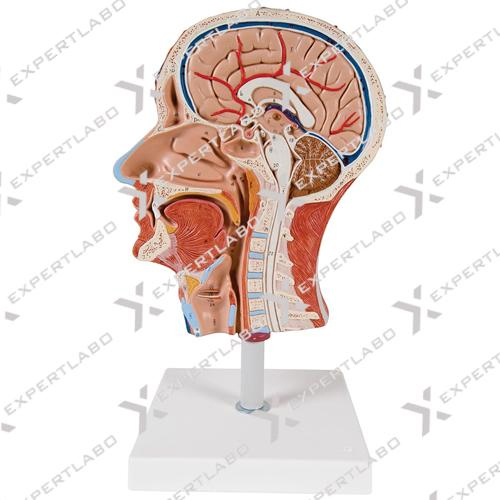
Half Head Life Size
Price 1800 INR / Unit
Minimum Order Quantity : 1 Unit
Application : Medical Training, Educational Demonstrations
Shape : Half Head (Coronal Section)
Type : Other, Anatomical Model
Features : Coronal sectioned to show internal structures, Removable, Painted details
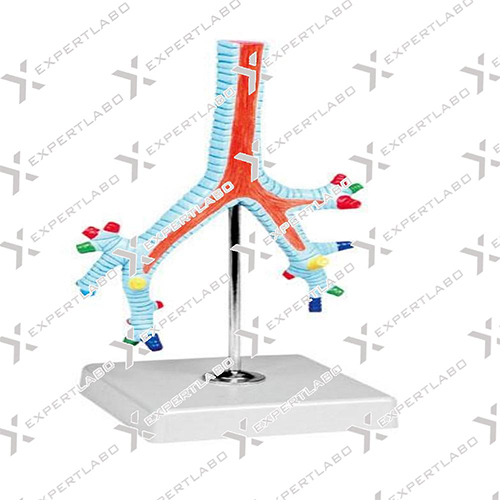
Segmental Bronchi
Price 5500 INR
Minimum Order Quantity : 1 Unit
Application : Medical Education, Anatomy Training, Student Demonstration
Shape : Bronchial Tree Branching
Type : Other, Anatomical Educational Model
Features : Detachable Parts, Labeled Bronchi Segments, High Detail, Colored for Easy Identification
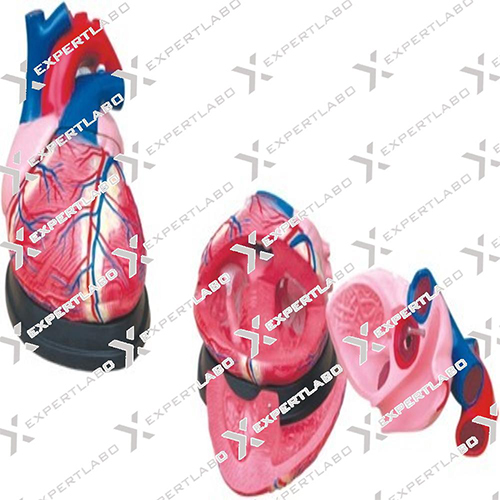
Jumbo Heart Model
Price 1800 INR
Minimum Order Quantity : 1 Unit
Application : Medical Education, Demonstration, Classroom Teaching, Patient Education
Shape : Heart
Type : Other, Jumbo Heart Model
Features : Detachable parts, Handpainted Details, Enlarged for Ease of Study
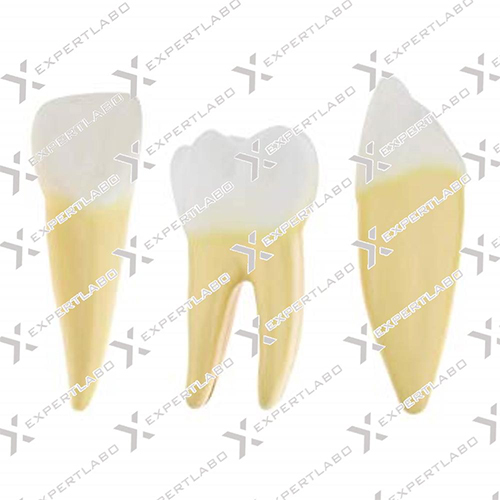
Incisor, Canine And Molar
Price 500 INR
Minimum Order Quantity : 1 Unit
Application : Dental Study Model
Shape : Dental Tooth Shapes (Incisor, Canine, Molar)
Type : Other, Incisor, Canine, Molar
Features : Realistic Shape, Durable Material, Lightweight

Expert Labo
GST : 06BELPA5037D2ZX
GST : 06BELPA5037D2ZX
Office 1001, Housing Board Colony, Ambala Cantt, Ambala Cantt - 133001, Haryana, India
Phone :07971459752
Mr Ajay Manocha
(Proprietor)
Mobile :07971459752
Mr- Ajay Manocha
(Proprietor)
Mobile :07971459752
 Send Inquiry
- Biology Models
- Laboratory Equipment
- Pharmaceutical Lab Equipment
- Laboratory Instruments
- Physics Equipments
- Laboratory Glassware
- Laboratory Apparatus
- Hospital Equipment
- Physics Instruments
- Testing Machine
- Hospital Furniture
- Oxygen Flow Meter
- Educational Aids
- Biological Models
- Hospital Bed
- Cement Testing Equipment
- Soil Testing Equipment
- Anatomical Models
- Suction Machine
- Hospital Uniform
- Autoclave And Sterilizer
- Mortuary Cabinet
- Laboratory Microscope
- Medicine Cabinet
- Crash Cart Trolley
- Surgical Tray
- Compression Testing Machine
- Hot Air Oven
- Lab Safety Products
- Laboratory Testing And Measuring Instrument
- Survey Total Station
- Blood Pressure Monitor
- Dialysis Chair
- Examination Couches
- OT Lights
- OT Tables
- Patient Transfer and Handling System
- Ward -OT Equipments
- Examination Lights
 Send Inquiry
 Send SMS
 Call Me Free
Expert Labo
All Rights Reserved.(Terms of Use)
Developed and Managed by Infocom Network Private Limited.
Developed and Managed by Infocom Network Private Limited.

