

Call us now
07971459752
Vertical Torsion Apparatus
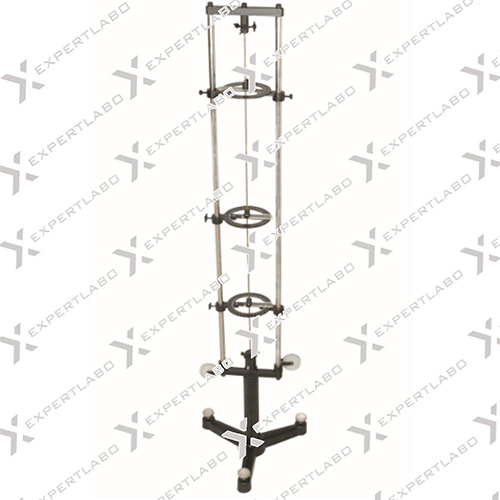

Vertical Torsion Apparatus Specification
- Features
- Rugged construction, replaceable torsion rod, easy mounting, smooth rotation mechanism, stable base
- Temperature Resistance
- Ambient Laboratory Conditions
- Speed Range
- Variable by manual adjustment
- Control Type
- Manual
- Shape
- Rectangular base with vertical column
- Accuracy
- High sensitivity, scale graduated for precise angle measurement
- Display Type
- Analog scale
- Type
- Vertical Torsion Apparatus
- Dimension (L*W*H)
- Approx. 80 cm x 20 cm x 50 cm
- Equipment Type
- Laboratory Apparatus
- Equipment Materials
- Mild Steel, Stainless Steel, Aluminum components
- Power
- Manual Operation (No Electrical Power Required)
- Voltage
- N/A (Manual operation)
- Material
- Metal with precision components
- Application
- To study the torsional behavior of wires and rods, used in material science and mechanical engineering labs
- Color
- Standard Lab Grey/Blue
- Rotational Chuck
- Precision machined for smooth grip
- Maximum Rod Length
- Up to 40 cm (as per model specification)
- Base Type
- Anti-skid, heavy base for vibration-free operation
- Included Accessories
- Standard wire/rod sample, weight set, instruction manual
- Packing
- Export quality packing for safe transit
- Mounting
- Tabletop
- Specimen Holder Type
- Adjustable, for different rod diameters
- Compatibility
- Suitable for steel, brass, copper rods/wires
- Angular Measurement Range
- 0 to 360 degrees or as specified
- Weight Holder
- Provided for known torque application
- Scale Graduation
- Fine graduated (1-degree or better)
- Finish
- Powder-coated for corrosion resistance
About Vertical Torsion Apparatus
Specially designed apparatus for study and investigation into the stress and strain accompanying the torsion i.e., torsion modulus of rigidity of the substance. The apparatus consists of a two long metal mounting rods located vertically on a T-shaped assembly and are jointed at the top through another square metal rod. Three adjustable angle measure attachments, graduated in degrees, are located vertically along the lengths of the rods for measuring degree of rotation of experimental rod under torsion at the desired positions. The bottom T-shaped assembly has a circular drum on to which is connected the weight pan on its either side through lightweight cord. The cord wound on the drum, which the weight pan suitably loaded, provides the necessary torque to the experimental rod. Chuck is provided at the top as well as bottom with tightening screws to firmly hold the experimental rod. Complete assembly mounted on a heavy cast metal tripod base with leveling screws. Includes the experimental rods-one each of brass and steel
Versatile and Precise Torsional Testing
This apparatus supports detailed analysis of torsional properties in metal wires and rods. With its finely graduated scale and adjustable specimen holder, users can test specimens of various diameters with high sensitivity and repeatability. The rugged design and stable base minimize vibration, ensuring accurate readings in academic and industrial research environments.
Robust Construction and User-Friendly Design
Engineered from mild steel, stainless steel, and aluminum components, the vertical torsion apparatus is built for durability. Finished with powder coating for corrosion resistance and equipped with an anti-skid base, it promises long-term reliability. The analog display and manual controls make the device accessible to students and professionals alike without dependency on electrical power.
FAQ's of Vertical Torsion Apparatus:
Q: How is the Vertical Torsion Apparatus used in a laboratory setting?
A: The apparatus is used to measure the torsional behavior of rod and wire specimens by clamping the sample into the adjustable holder. Torque is applied using the provided weights, and the resulting angular displacement is read on the fine graduated scale. This helps in studying material properties like shear modulus and torsional rigidity.Q: What materials are compatible with this torsion testing equipment?
A: The apparatus is designed to test steel, brass, and copper rods or wires, offering flexibility for various experimental requirements in materials science and mechanical engineering studies.Q: When should the sample rod or wire be replaced in the apparatus?
A: Replace the sample when you observe signs of significant deformation, wear, or after completing a trial to test a different material or diameter. The design allows for easy, tool-free specimen mounting and replacement.Q: Where should the Vertical Torsion Apparatus be installed for best results?
A: For optimal performance, mount the apparatus on a stable laboratory table in an ambient environment free from excessive vibration. Its anti-skid, heavy base ensures vibration-free operation, essential for precision measurements.Q: What is the process for calibrating or applying a known torque to the specimen?
A: Place the desired weights on the supplied weight holder, which hangs from the arm attached to the specimen. The applied torque is calculated based on weight and lever arm length. Ensure the weights are placed steadily for consistent torque application.Q: What benefits does this device offer compared to other torsion testers?
A: The vertical torsion apparatus is highly accurate, offers fine angular measurement, supports a variety of rod diameters and materials, and requires no electrical power. Its rugged, corrosion-resistant construction ensures long-term laboratory use.Tell us about your requirement

Price:
Quantity
Select Unit
- 50
- 100
- 200
- 250
- 500
- 1000+
Additional detail
Mobile number
Email

More Products in Physics Equipments Category
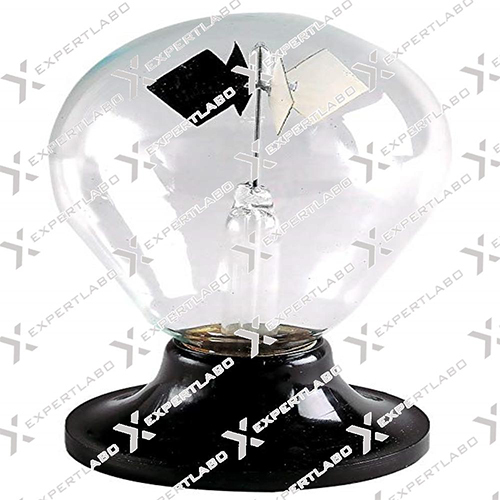
Crookes Radiometer
Price 1000 INR
Minimum Order Quantity : 1 Piece
Type : Other, Crookes Radiometer
Material : Superior quality glass and lightweight metal vanes
Features : Rotates when exposed to sunlight or strong artificial light; sensitive to various light intensities; sealed vacuum bulb
Equipment Type : Physics Laboratory Demonstration Equipment
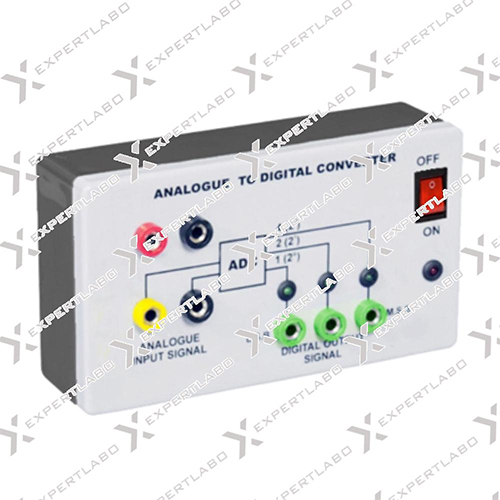
Analogue To Digital Converter
Price 3500 INR
Minimum Order Quantity : 1 Piece
Type : Other, Analogue to Digital Converter
Material : Plastic/PCB/Metal
Features : High Accuracy Conversion, Low Power, Easy Interface, LED Indicator
Equipment Type : Electronic Circuit Module
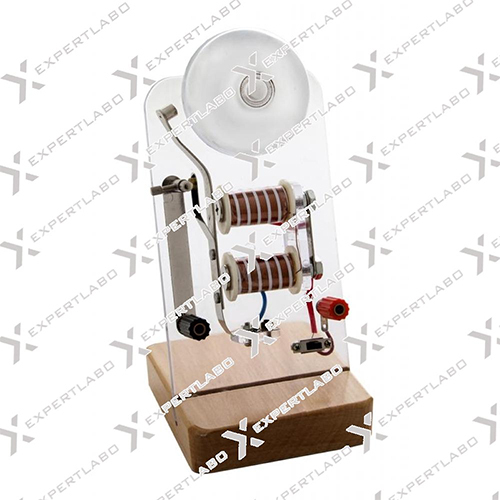
Bell Demonstration
Price 400 INR
Minimum Order Quantity : 1 Piece
Type : Other, Demonstration Bell Apparatus
Material : Borosilicate Glass, Metal
Features : Removable glass dome, easy operation, demonstration friendly
Equipment Type : Physics Lab Instrument
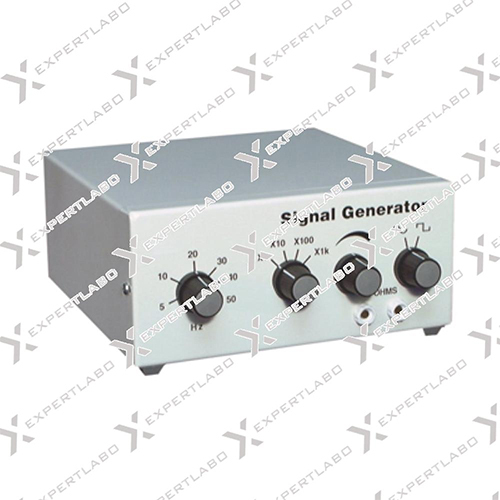
Bench Signal Generator
Price 1500 INR
Minimum Order Quantity : 1 Piece
Type : Other, Bench Signal Generator
Material : Metal
Features : Variable frequency output, Stable signal, Compact design
Equipment Type : Signal Generator

Expert Labo
GST : 06BELPA5037D2ZX
GST : 06BELPA5037D2ZX
Office 1001, Housing Board Colony, Ambala Cantt, Ambala Cantt - 133001, Haryana, India
Phone :07971459752
Mr Ajay Manocha
(Proprietor)
Mobile :07971459752
Mr- Ajay Manocha
(Proprietor)
Mobile :07971459752
 Send Inquiry
- Biology Models
- Laboratory Equipment
- Pharmaceutical Lab Equipment
- Laboratory Instruments
- Physics Equipments
- Laboratory Glassware
- Laboratory Apparatus
- Hospital Equipment
- Physics Instruments
- Testing Machine
- Hospital Furniture
- Oxygen Flow Meter
- Educational Aids
- Biological Models
- Hospital Bed
- Cement Testing Equipment
- Soil Testing Equipment
- Anatomical Models
- Suction Machine
- Hospital Uniform
- Autoclave And Sterilizer
- Mortuary Cabinet
- Laboratory Microscope
- Medicine Cabinet
- Crash Cart Trolley
- Surgical Tray
- Compression Testing Machine
- Hot Air Oven
- Lab Safety Products
- Laboratory Testing And Measuring Instrument
- Survey Total Station
- Blood Pressure Monitor
- Dialysis Chair
- Examination Couches
- OT Lights
- OT Tables
- Patient Transfer and Handling System
- Ward -OT Equipments
- Examination Lights
 Send Inquiry
 Send SMS
Expert Labo
All Rights Reserved.(Terms of Use)
Developed and Managed by Infocom Network Private Limited.
Developed and Managed by Infocom Network Private Limited.

