

Call us now
07971459752
Hermaphrodite Dicot Flower
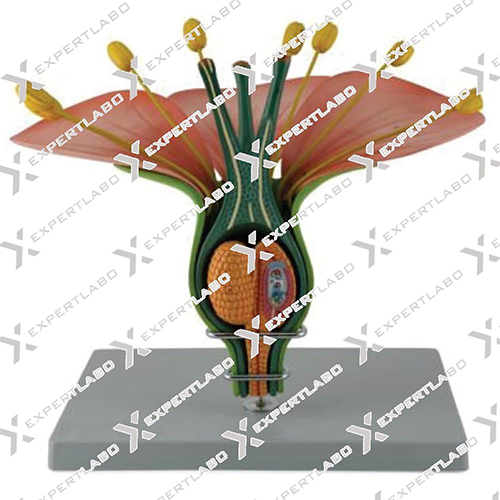

Hermaphrodite Dicot Flower Specification
- Features
- Bisexual (Contains both male/stamen and female/carpel organs), Representative of dicot plants, Used for morphological and anatomical study
- Temperature Resistance
- Sensitive to temperature changes
- Shape
- Varies (Depend on species; commonly radial symmetry)
- Accuracy
- Microscopic examination required for detailed analysis
- Type
- Hermaphrodite Dicot Flower
- Dimension (L*W*H)
- Natural size (Varies by species)
- Equipment Type
- Live/Preserved Botanical Specimen
- Material
- Plant tissue (petals, sepals, stamens, pistil)
- Application
- Educational, Botanical study, Research
- Storage Condition
- Cool, dry environment for preserved specimens
- Reproducibility
- Capable of self and cross-pollination
- Sexuality
- Hermaphrodite (Bisexual, unisexual flowers absent)
- Petal Number
- Usually 4 or 5 (Multiples, typical of dicots)
- Preservation
- Can be used fresh or preserved with botanical fixatives when required
- Collection Method
- Handpicked and handled carefully to preserve floral structure
- Botanical Category
- Dicotyledonous angiosperm
- Common Use
- School/College Lab Demonstration
- Life Stage
- Mature (flowering stage)
- Color
- Can vary (Commonly white, yellow, pink, or purple, depending on species)
About Hermaphrodite Dicot Flower
This three-piece model, enlarged to 14X life size, describes with great accuracy and detail the anatomy of a typical hermaphrodite dicotyledonous flower. Thanks to the cross-section, the anatomy of the internal structures, such as stamens, stigma, style and ovary with eggs can be easily studied. External structures, including petals and sepals, are also well represented. The main structures are numbered and referenced on the accompanying key-card. Mounted on base with stand.
Comprehensive Educational Resource
Hermaphrodite Dicot Flower specimens provide a reliable tool for educators and students in understanding plant morphology, anatomy, and reproductive biology. Supplied either fresh or preserved, these flowers allow for hands-on laboratory demonstrations and practical microscopy exercises, enhancing the learning of dicot characteristics.
Versatile Botanical Specimen
These specimens are used extensively in educational and research settings due to their clearly identifiable bisexual (hermaphroditic) organs. Their morphological features, including distinct petals, sepals, stamens, and pistils, facilitate both basic and advanced botanical study.
FAQ's of Hermaphrodite Dicot Flower:
Q: How is a Hermaphrodite Dicot Flower collected and preserved for educational use?
A: The Hermaphrodite Dicot Flower is carefully handpicked to maintain its floral structure. For preservation, botanical fixatives are applied, allowing specimens to be stored in a cool, dry place for later use in laboratory demonstrations and research.Q: What distinguishes a Hermaphrodite Dicot Flower from other types of flowers?
A: This flower type is characterized by the presence of both male (stamens) and female (pistil) reproductive organs. As a dicot, it typically exhibits petals in multiples of four or five and demonstrates radial symmetry, unlike monocot or unisexual flower types.Q: When is the Hermaphrodite Dicot Flower best used for botanical study?
A: The specimen is most valuable at the mature, flowering stage, as this is when both reproductive organs and floral structures are fully developed and observable, enabling accurate anatomical and morphological examination.Q: Where should preserved specimens of Hermaphrodite Dicot Flowers be stored?
A: To maintain specimen quality, store preserved flowers in a cool, dry environment. This helps prevent degradation and ensures the integrity of delicate floral tissues for extended periods.Q: What is the typical process for examining Hermaphrodite Dicot Flowers microscopically?
A: After gentle collection and preservation, specimens can be sectioned or left intact for microscopic analysis. Under magnification, students can study petal arrangement, stamen and pistil structure, and other unique features typical of dicot angiosperms.Q: How are Hermaphrodite Dicot Flowers used in educational settings?
A: They serve as prime specimens for school and college laboratory demonstrations, allowing students to observe, identify, and analyze the morphological and reproductive features essential for understanding plant science concepts.Q: What are the primary benefits of using Hermaphrodite Dicot Flower specimens in research or education?
A: These specimens provide a tangible, hands-on way to study floral anatomy, dicot characteristics, and plant reproductive strategies, making them indispensable for both teaching and detailed botanical research.Tell us about your requirement

Price:
Quantity
Select Unit
- 50
- 100
- 200
- 250
- 500
- 1000+
Additional detail
Mobile number
Email

More Products in Biology Models Category
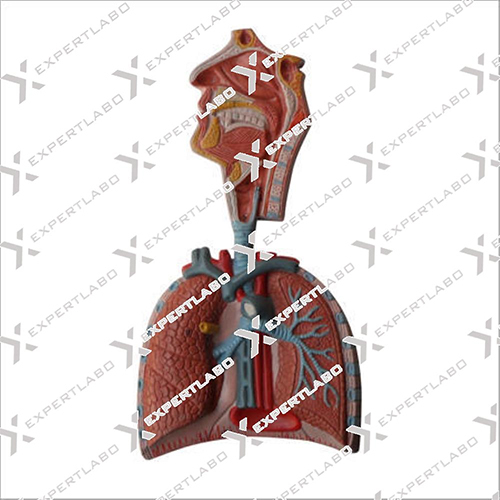
Human Respiratory System
Price 2000 INR / Unit
Minimum Order Quantity : 1 Unit
Shape : Flat Rectangular Chart
Dimension (L*W*H) : 61 x 40 cm
Accuracy : High Visual Accuracy
Features : Durable, Easy to clean, Clearly labeled anatomical parts
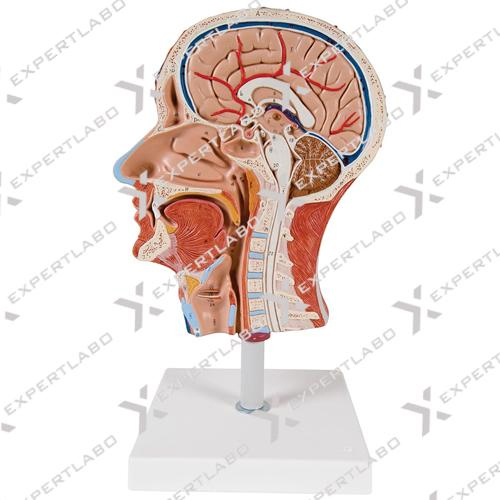
Half Head Life Size
Price 1800 INR / Unit
Minimum Order Quantity : 1 Unit
Shape : Half Head (Coronal Section)
Dimension (L*W*H) : Life Size (approx. 25cm x 20cm x 15cm)
Accuracy : Detailed Replica of Human Head
Features : Coronal sectioned to show internal structures, Removable, Painted details
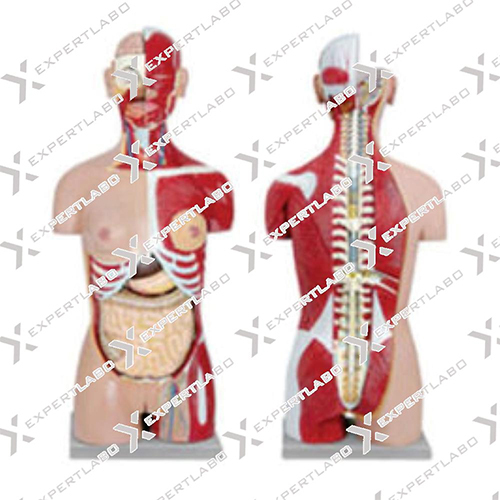
Human Torso Dual 12 Parts
Price 12000 INR
Minimum Order Quantity : 1 Unit
Shape : Torso
Dimension (L*W*H) : Approximately 85 x 38 x 25 cm
Accuracy : High anatomical accuracy
Features : 12 Part Dual Sex Torso; Hand painted; Lifesize; Detachable organs; Easy to assemble/disassemble; Both male and female characteristics
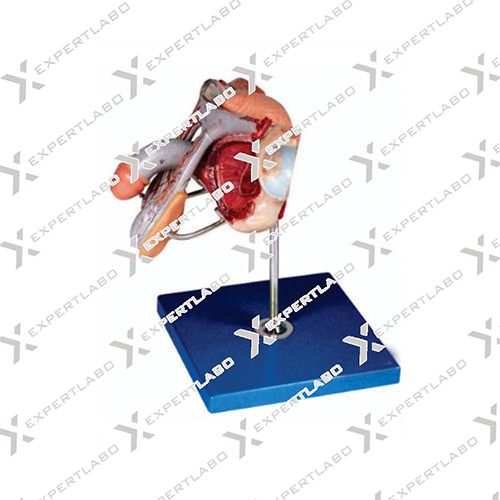
Male Genital Organ
Price 1200 INR
Minimum Order Quantity : 1 Unit
Shape : Male Genital Organ
Dimension (L*W*H) : 25 cm x 10 cm x 8 cm
Accuracy : Detailed anatomical accuracy
Features : Corrosionresistant, Washable, Durable, Realistic Coloring

Expert Labo
GST : 06BELPA5037D2ZX
GST : 06BELPA5037D2ZX
Office 1001, Housing Board Colony, Ambala Cantt, Ambala Cantt - 133001, Haryana, India
Phone :07971459752
Mr Ajay Manocha
(Proprietor)
Mobile :07971459752
Mr- Ajay Manocha
(Proprietor)
Mobile :07971459752
 Send Inquiry
- Biology Models
- Laboratory Equipment
- Pharmaceutical Lab Equipment
- Laboratory Instruments
- Physics Equipments
- Laboratory Glassware
- Laboratory Apparatus
- Hospital Equipment
- Physics Instruments
- Testing Machine
- Hospital Furniture
- Oxygen Flow Meter
- Educational Aids
- Biological Models
- Hospital Bed
- Cement Testing Equipment
- Soil Testing Equipment
- Anatomical Models
- Suction Machine
- Hospital Uniform
- Autoclave And Sterilizer
- Mortuary Cabinet
- Laboratory Microscope
- Medicine Cabinet
- Crash Cart Trolley
- Surgical Tray
- Compression Testing Machine
- Hot Air Oven
- Lab Safety Products
- Laboratory Testing And Measuring Instrument
- Survey Total Station
- Blood Pressure Monitor
- Dialysis Chair
- Examination Couches
- OT Lights
- OT Tables
- Patient Transfer and Handling System
- Ward -OT Equipments
- Examination Lights
 Send Inquiry
 Send SMS
Expert Labo
All Rights Reserved.(Terms of Use)
Developed and Managed by Infocom Network Private Limited.
Developed and Managed by Infocom Network Private Limited.

